
Discover Oman’s Culture Through Its Roads: Forts, Souqs, and More
02.27.2025
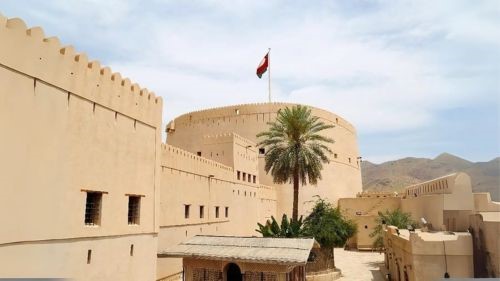
Oman is a land where history and culture meet breathtaking landscapes, and there’s no better way to explore its rich heritage than by hitting the road. From majestic forts to bustling souqs and serene villages, Oman’s roads lead to destinations that tell the story of its vibrant past and enduring traditions. Here’s a driving itinerary that will take you on a cultural journey through Oman.
1. Nizwa Fort and Souq
Begin your journey in Nizwa, the historic capital of Oman. The iconic Nizwa Fort stands as a testament to Oman’s architectural brilliance and military history. After exploring the fort, wander through the Nizwa Souq, where you’ll find traditional Omani handicrafts, silver jewelry, and fresh produce.
Don’t Miss:
• Climbing the fort’s tower for panoramic views.
• Shopping for khanjars (Omani daggers) and pottery.
• Tasting fresh dates and Omani halwa.
2. Bahla Fort and Village
A short drive from Nizwa takes you to Bahla, a UNESCO World Heritage site. Bahla Fort is one of the oldest and largest forts in Oman, surrounded by a historic village and ancient walls that speak of its significance as a center of trade and craftsmanship.
Don’t Miss:
• Exploring the fort’s extensive corridors and towers.
• Visiting local pottery workshops.
• Strolling through the village to experience traditional Omani life.
3. Jabreen Castle
Continue your cultural road trip to Jabreen Castle, a masterpiece of Islamic architecture. Unlike other forts, Jabreen Castle was built as a residence and features intricately painted ceilings, beautiful wooden carvings, and secret passageways.
Don’t Miss:
• Admiring the artistic details in the ceilings and doors.
• Learning about the castle’s history and its role as an intellectual hub.
• Exploring the well-preserved rooms and courtyards.
4. Muttrah Souq in Muscat
No cultural journey in Oman is complete without a visit to Muttrah Souq, one of the oldest marketplaces in the region. Located in Muscat, this bustling souq is a treasure trove of traditional goods, from frankincense and perfumes to textiles and spices.
Don’t Miss:
• Bargaining for unique souvenirs.
• Exploring the maze-like alleys filled with vibrant shops.
• Savoring street food and refreshing juices.
5. Al Hamra and Misfat Al Abriyeen
End your road trip in Al Hamra, a village known for its centuries-old mudbrick houses, and Misfat Al Abriyeen, a charming hillside village surrounded by lush date plantations. These villages offer a glimpse into Oman’s rural heritage and traditional farming practices.
Don’t Miss:
• Walking through the narrow lanes of Misfat Al Abriyeen.
• Learning about falaj irrigation systems.
• Enjoying the serene ambiance and stunning views.
Tips for Your Cultural Road Trip
• Start Early: Maximize your day by setting out early and avoiding the midday heat.
• Dress Modestly: Respect local customs by wearing modest clothing when visiting cultural sites.
• Stay Hydrated: Carry plenty of water, especially during longer drives.
• Plan Ahead: Check the opening hours of forts and souqs to avoid disappointment.
Exploring Oman’s culture through its roads is a journey that combines history, tradition, and scenic beauty. Whether it’s the grandeur of Nizwa Fort, the charm of Muttrah Souq, or the tranquility of Misfat Al Abriyeen, each stop offers a unique window into Oman’s rich heritage. So, fuel up your car, grab a map, and set out to discover the soul of Oman. Have a favorite cultural spot in Oman? Share it with us in the comments below!